Many Denver homeowners don't realize their roof needs repair until water is dripping into their living room. By learning to recognize early warning signs, you can address small problems before they become expensive emergencies. Here are the 10 signs Denver homeowners most commonly miss.
1. Water Stains on Ceilings or Walls
Brown or yellowish stains on interior ceilings or walls are the most obvious sign of roof problems. In Denver's climate, these often appear after heavy snow melts or following intense rainstorms. Don't assume a small stain means a small problem—water can travel far from the actual leak point.
2. Missing or Damaged Shingles
After Denver's frequent hail storms and high winds (averaging 7-9 significant hail events annually per NOAA), shingles can crack, curl, or blow away entirely. Walk around your property and look up at your roof—missing shingles appear as dark patches where the underlayment is exposed.
3. Granules in Gutters
The granules on asphalt shingles protect them from UV damage. When shingles age or sustain hail damage, these granules wash off and collect in gutters. Significant granule loss indicates your shingles are failing and repairs may be needed.
4. Curling or Buckling Shingles
Denver's extreme temperature swings—often 60°+ in a single day—cause thermal expansion that can make shingles curl at edges or buckle in the middle. This exposes the underlying roof layers to water infiltration.
5. Sagging Roof Deck
If your roof appears to sag in spots, this is a serious structural concern requiring immediate attention. Sagging often indicates water damage to the roof deck or underlying supports—particularly common in Denver after heavy snow accumulation.
6. Light Visible Through Attic
On a sunny day, go into your attic and look for light coming through the roof. If daylight is visible, water can enter through the same gaps. This check is especially important for Denver homes built before 1980 with older roofing systems.
7. Higher Energy Bills
If your heating or cooling costs have increased without explanation, your roof may be to blame. Damaged roofing allows conditioned air to escape and outside air to enter, making your HVAC system work harder—especially noticeable during Denver's cold winters.
8. Moss or Algae Growth
While less common in Denver's dry climate than coastal areas, moss and algae can still grow on north-facing roof sections. This growth traps moisture against shingles, accelerating deterioration and potentially requiring roof repair.
9. Damaged Flashing
Flashing—the metal pieces around chimneys, vents, and roof joints—can crack, rust, or pull away over time. In Denver, temperature cycling causes flashing to expand and contract, eventually creating gaps where water enters.
10. Your Roof is Over 20 Years Old
Standard asphalt shingles in Denver typically last 15-20 years due to intense UV exposure at elevation. If your roof is approaching or past this age, increased repairs become necessary and replacement should be planned.
What To Do If You Notice These Signs
If you've identified any of these warning signs, don't delay action:
- Document the damage: Take photos for your records and potential insurance claims
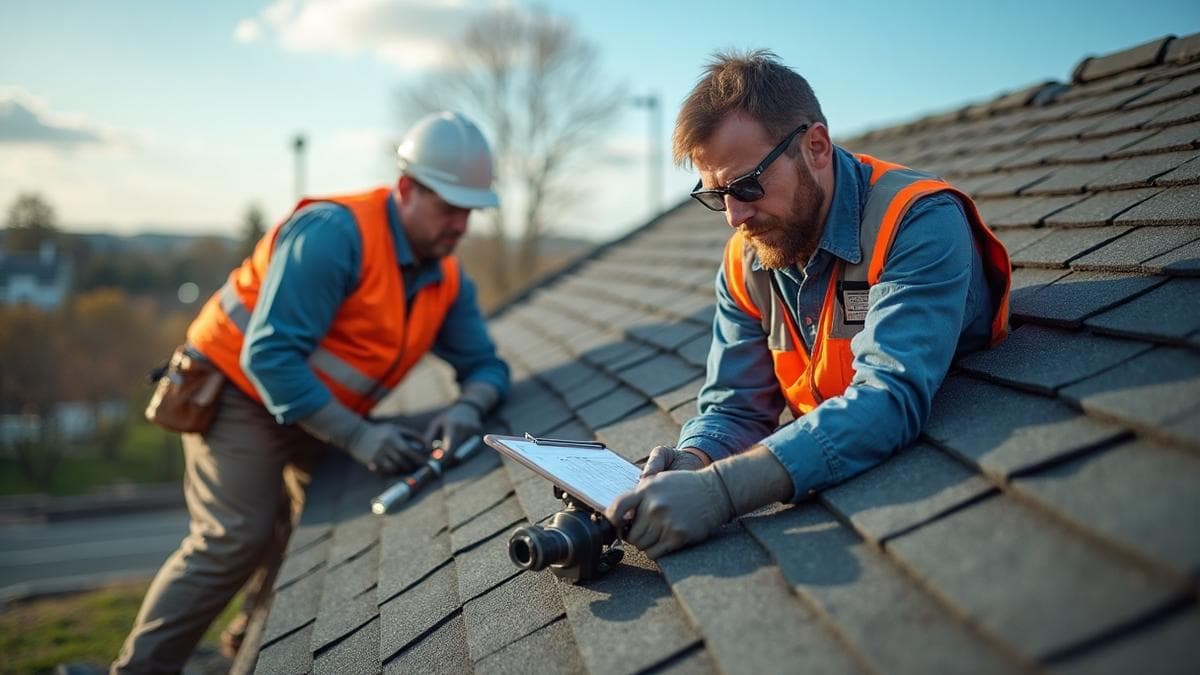
- Schedule a professional inspection: Many issues aren't visible from the ground
- Don't attempt DIY repairs: Improper repairs can void warranties and cause more damage
- Check your insurance: Storm damage is typically covered
Free Denver Roof Inspection
Best Roof And Gutter offers comprehensive 21-point roof inspections at no cost. We'll identify all issues, provide photo documentation, and give you an honest assessment of repair needs. Call (720) 443-5386 or schedule online today.